Electricity is something most homeowners rely on constantly, yet rarely stop to think about until a problem occurs. From charging phones and powering appliances to running home offices and entertainment systems, outlets are the everyday access points that keep a household functioning smoothly. Because they are used so frequently, it’s easy to overlook the potential hazards they can present when misused, damaged, or outdated. Small issues can quietly build over time, eventually leading to serious safety risks if they are ignored.
Electrical-related accidents in the home are more common than many people realize, and outlets are often at the center of these incidents. Overloaded circuits, moisture exposure, worn wiring, and improper installations can all increase the risk of electrical shock or fire.
These dangers don’t just affect older homes either—modern houses can also experience outlet-related issues due to increased power demands from today’s electronics and appliances. Understanding how to properly use and maintain outlets is an essential part of responsible homeownership.
By learning basic safety tips and knowing what warning signs to watch for, homeowners can take proactive steps to reduce risks and protect their families. Whether you’re performing routine maintenance, planning an upgrade, or simply using outlets more mindfully, the right knowledge can make a significant difference. The following safety tips outline practical ways to keep your home safer while ensuring your electrical system continues to support your daily needs reliably.
Avoid Overloading and Improper Use
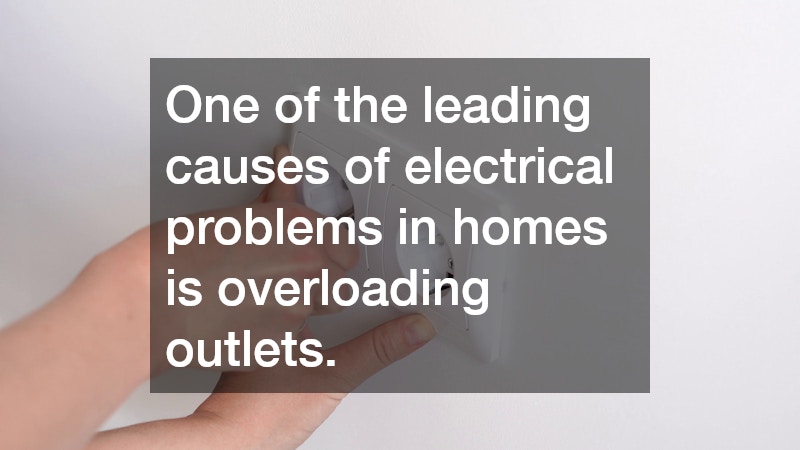
One of the leading causes of electrical problems in homes is overloading outlets. Plugging too many devices into a single outlet can strain the wiring, generate excessive heat, and significantly increase the risk of fire. Power strips and extension cords may offer convenience, but they are not a substitute for properly installed outlets designed to handle higher electrical loads.
High-wattage appliances such as space heaters, microwaves, and air conditioners should always be plugged directly into a wall outlet rather than shared with other devices. When multiple appliances draw power simultaneously, the circuit may become overwhelmed, leading to tripped breakers or overheating. These warning signs should never be ignored, as they indicate that the electrical system is being pushed beyond its limits.
Improper use can also include forcing plugs into loose outlets or using damaged cords. Outlets that no longer hold plugs securely can cause arcing, which produces heat and sparks behind the wall. Addressing these issues promptly helps maintain a safer and more reliable electrical system throughout the home.
Install Proper Protection in Key Areas
Certain areas of the home require additional electrical protection due to increased exposure to moisture. Kitchens, bathrooms, garages, basements, and outdoor spaces should be equipped with ground fault circuit interrupter (GFCI) outlets. These outlets are designed to shut off power immediately if a ground fault is detected, reducing the risk of electric shock.
Another important safety feature is tamper-resistant outlets, which are especially valuable in homes with young children. These outlets include built-in shutters that prevent foreign objects from being inserted, offering an added layer of protection without the need for plastic outlet covers. They are now standard in many building codes due to their effectiveness.
Surge protection is also essential for safeguarding sensitive electronics. Power surges caused by lightning or fluctuations in the electrical grid can damage devices and shorten their lifespan. Using whole-home surge protection or quality surge protectors can help prevent costly losses while improving overall electrical safety.
Recognize Warning Signs and Maintain Regular Inspections
Being aware of warning signs can help homeowners identify potential electrical hazards before they become serious. Warm or discolored outlet covers, buzzing sounds, burning odors, or frequent breaker trips all signal underlying problems that should be addressed immediately. These symptoms often indicate loose wiring, damaged components, or circuits that are overloaded.
Regular inspections are a proactive way to maintain safety, especially in older homes. Electrical systems naturally wear over time, and outdated wiring may not meet current safety standards. Periodic evaluations by a licensed electrician can identify vulnerabilities and recommend upgrades that improve performance and reduce risk.
Routine maintenance also includes keeping outlets clean and free from dust, avoiding the use of outlets near water sources without proper protection, and replacing damaged covers promptly. Paying attention to the condition and performance of electrical outlets helps ensure that small issues don’t escalate into dangerous situations.
Outlet safety is a critical but often overlooked aspect of home maintenance. Simple habits, such as avoiding overloads, installing proper protective devices, and recognizing early warning signs, can significantly reduce the risk of electrical accidents. Homeowners who stay informed and proactive are better equipped to maintain a safe living environment.
By treating electrical safety as an ongoing responsibility rather than a one-time task, you can protect your family, your property, and your peace of mind. Taking the time to inspect and maintain your outlets today helps prevent emergencies tomorrow and ensures your home’s electrical system remains dependable for years to come.