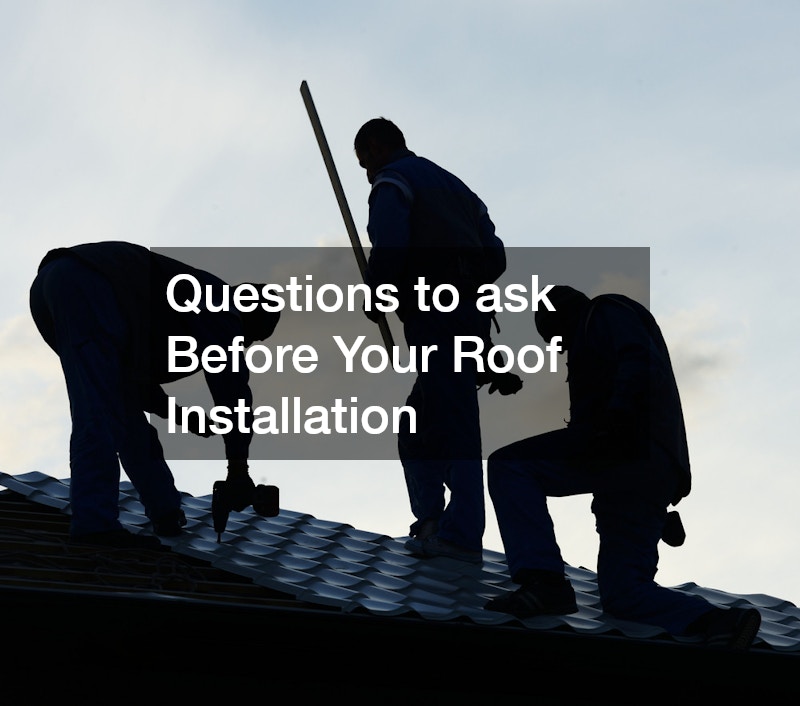
When it comes to roof installation, asking the right questions can mean the difference between a successful project and a costly disaster. Before embarking on this significant home improvement venture, getting all the necessary information will help ensure that your new roof is long-lasting and trouble-free. Here are critical inquiries to consider before you install your roof.
What Material is Best for My Roof?
The material you choose for your roof installation can have a significant impact on the lifespan and performance of your roof. While asphalt shingles remain a popular choice due to their cost-effectiveness and versatility in design, they may not be suitable for every home or climate. On the other hand, materials like metal, clay tiles, and wood can offer longevity but may come at a higher initial cost and require more maintenance.
Metal roofs, for example, are known for their durability and ability to withstand harsh weather conditions, making them ideal for areas prone to extreme weather. However, they can be noisy during rainstorms, which some homeowners find problematic. Consider the climate in your area, the aesthetic you desire, and your budget when selecting roofing materials.
Consult with your roofing contractor about the pros and cons of each material option to make an informed decision. They can provide insights into the best materials, taking into account local building codes and regulations. A thorough understanding of how each material performs over time can help you select a roof that best suits your needs and ensures longevity for your home.
How Experienced is Your Roofing Contractor?
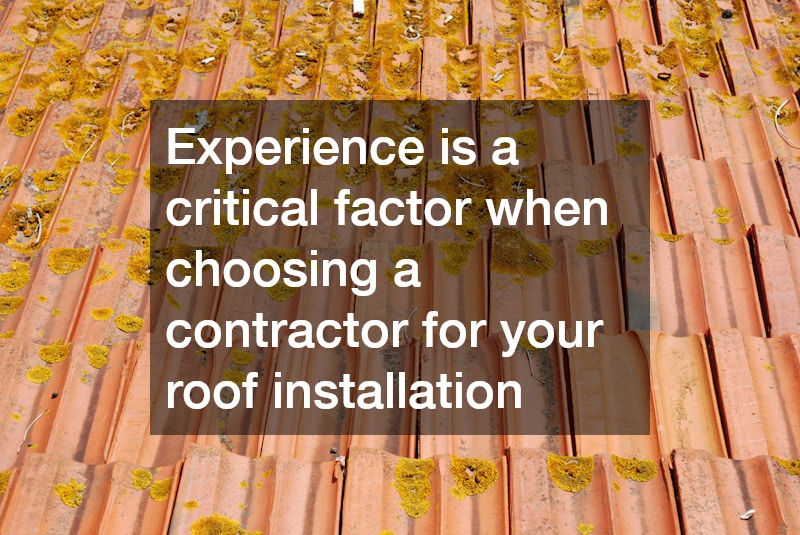
Experience is a critical factor when choosing a contractor for your roof installation. A seasoned contractor will have a portfolio of completed projects and can provide references from past clients. This experience often translates to a higher quality of work and fewer chances of errors during the installation process.
Ask your contractor how long they have been in business and the number of roof installations they have completed similar to yours. It’s also worthwhile to inquire about any certifications or training their team has undergone. Some contractors might have specialized knowledge in specific roofing systems, which may be beneficial depending on the material chosen for your roof.
Don’t hesitate to ask about their approach to making sure roofs are adequately ventilated and insulated. A skilled contractor should also be able to explain the entire process in a way that’s easy to understand, from initial assessment to project completion. Clear communication is often an indicator of professionalism and a transparent work ethic.
What is the Installation Timeline?
A clear timeline for roof installation is essential for planning and avoiding unwanted surprises. Lengthy projects can cause inconvenience, while rushed work could lead to poor craftsmanship. It’s important to discuss with your contractor how long the entire process will take, from the initial setup to the final inspection.
Consider potential delays that might arise due to weather conditions or unforeseen complications. Having a tentative schedule helps manage expectations and allows you to plan around the disruption a roof installation may cause to your daily life. Be sure to ask your contractor how they handle weather-related delays and what measures they take to continue work safely under changing conditions.
Knowing the timeline also allows you to coordinate with any other planned home improvements. It’s essential to have a buffer period in case the project runs longer than expected. An experienced contractor will provide a realistic timeframe and be open about any factors that might affect it, acknowledging that safety and quality take precedence over speed.
What Warranties Are Included?
Understanding the warranties offered by your roofing contractor is crucial to protecting your investment. Different components of your roof may have varying warranty terms, covering materials, labor, or both. It’s important to know the duration of these warranties and exactly what is covered under each scope.
Typically, manufacturers will offer a warranty on roofing materials that can last anywhere from a few years to a lifetime, depending on the material and manufacturer. Your contractor should also provide a warranty on their workmanship, typically covering any defects or issues that arise from the installation process itself. Ensuring these warranties are clear and in writing will give you peace of mind should anything go wrong in the future.
Ask about the process for making a warranty claim and whether there are specific maintenance responsibilities for the homeowner to uphold warranty conditions. Clear terms keep the investment protected and can often save you significant costs by covering repairs or replacements that fall under these agreements. A reliable contractor will clearly communicate the details of all warranties provided.
What Are the Costs Involved?
Roof installation costs can vary widely depending on the size of the roof, the type of materials chosen, and the existing roof’s condition. It is crucial to receive a detailed estimate that breaks down costs to avoid hidden fees or charges. A reputable contractor will offer a transparent price and explain each aspect of the quote so you’re fully aware of what you’re paying for.
Be sure to ask if the estimate includes potential additional charges for unexpected repairs or adjustments. This prevents any surprises if structural issues are uncovered once the old roof is removed. It’s also wise to inquire about financing options or payment plans that may be available if the cost is beyond your current budget.
Ensuring you have a comprehensive understanding of all costs involved will help in budgeting effectively for the project. Practicing due diligence with cost queries guarantees no unforeseen financial burdens once the installation begins. Clear financial planning can prevent financial strain and allow for a smoother completion of your roof installation project.